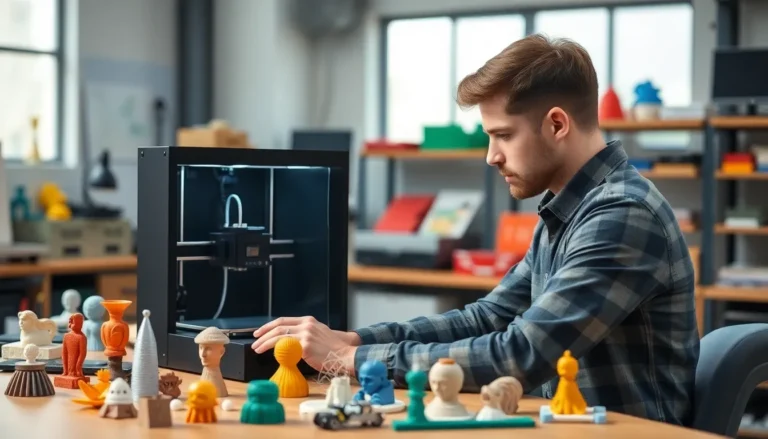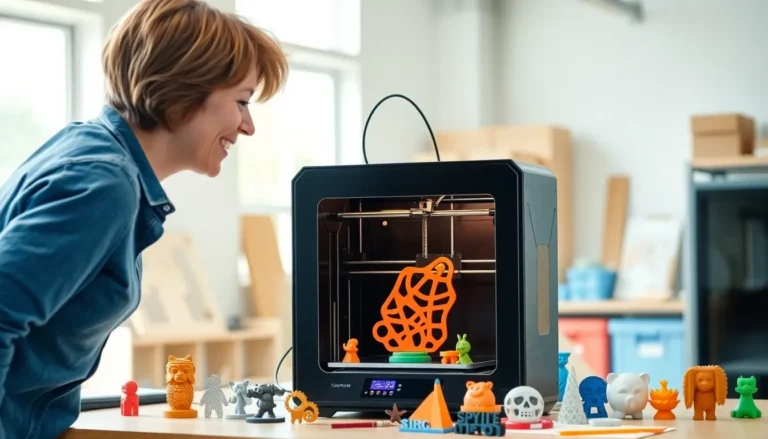
In a world where creativity meets technology, 3D printing stands as the ultimate playground for students. Imagine transforming wild ideas into tangible creations faster than you can say “print me a dinosaur.” From quirky gadgets to practical classroom tools, the possibilities are endless, and the only limit is their imagination.
Students often find themselves drowning in textbooks, but with 3D printing, they can dive into a sea of innovation. Whether they’re looking to impress their classmates or just want to avoid another boring science project, these fun and practical ideas will spark their enthusiasm. Get ready to unleash the next generation of inventors and artists—because who wouldn’t want to create a miniature version of their favorite superhero?
Creative 3D Printing Projects
Students can explore numerous creative projects using 3D printing, merging technology with imagination. These projects foster hands-on learning experiences and can enhance various skills.
Educational Tools
Teachers and students can design customized educational tools that cater to specific needs. A visual aid may include anatomical models, helping students understand biology concepts more effectively. Creating measuring tools, such as rulers and protractors, makes learning math more tangible. Language learners can benefit from tactile flashcards tailored for vocabulary practice. Crafting manipulatives allows students to grasp difficult concepts in a fun, engaging manner.
Fun and Games
Inventing games stands as an exciting avenue for 3D printing. Board game pieces can become unique creations that personalize a student’s gaming experience. Designing interactive puzzles lets students combine creativity with logic as they craft challenging obstacles. Creating 3D chess sets can introduce strategic thinking while allowing artistic expression. Additionally, students can develop custom character figurines for tabletop role-playing games, blending storytelling with hands-on artistry.
Practical 3D Printing Applications
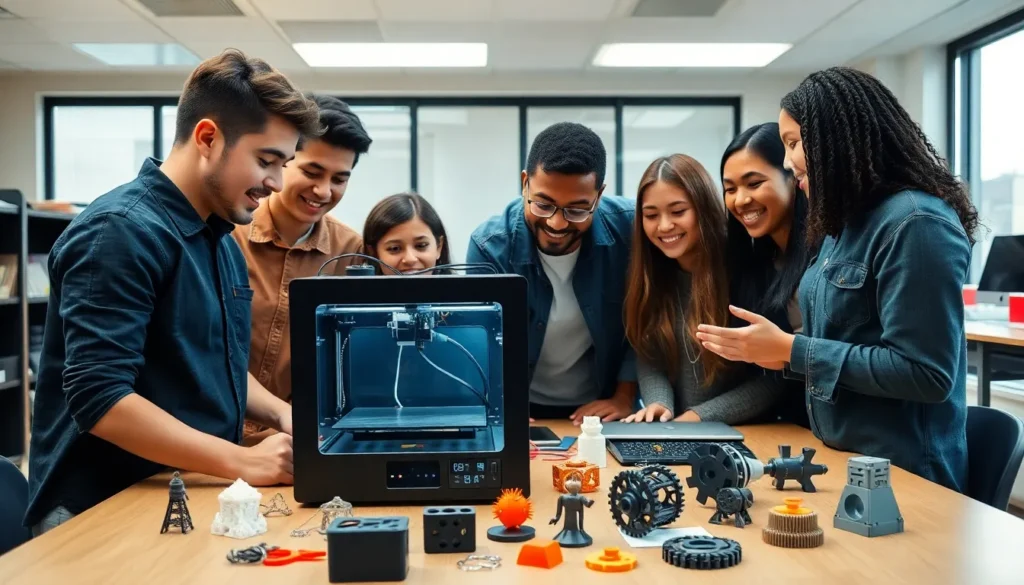
3D printing offers students various practical applications that enhance learning and creativity. These applications range from prototyping concepts to creating everyday objects.
Prototyping Concepts
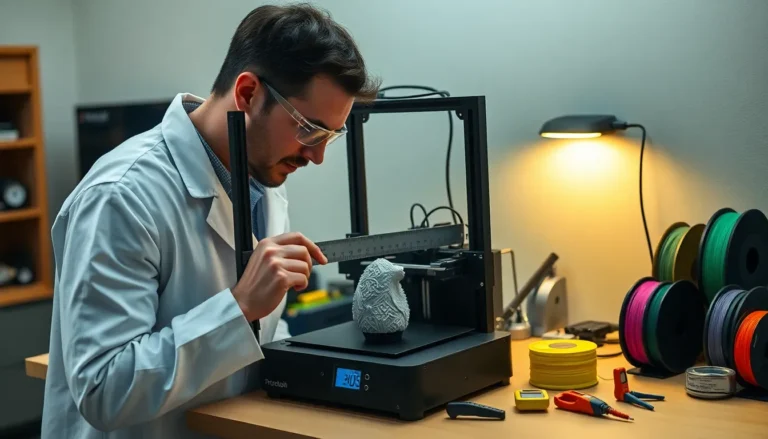
Students can prototype their ideas using 3D printing technology. Rapid prototyping allows them to test and iterate designs quickly. For instance, engineering students might design mechanical parts, while art students create sculptural elements. This process encourages critical thinking, as adjustments can occur based on feedback. Effective prototypes provide visual and tangible representations, making abstract concepts more relatable. Elementary students might enjoy building simple structures to explore basic engineering principles.
Everyday Objects
Everyday objects created through 3D printing enhance students’ daily lives. Customized phone cases offer protection and showcase personal style. Kitchen tools like measuring spoons and cookie cutters can reflect individual preferences. Students often design unique keychains and educational tools, such as rulers tailored to their specific needs. These practical items not only serve functional purposes but also inspire creativity and innovation. Personalization in everyday objects fosters a sense of ownership, motivating students to engage further with technology and design challenges.
Innovative 3D Design Software
Innovative 3D design software empowers students to harness their creativity and transform ideas into tangible objects. They can choose from various programs that cater to different skill levels and project types.
User-Friendly Options
Tinkercad ranks among the top choices for beginners. It provides an intuitive, browser-based platform that allows students to create designs quickly using simple shapes. SketchUp also offers a user-friendly experience, primarily geared towards architectural designs. Students benefit from a robust community and plenty of tutorials available online. Other options include Blender, which, while complex, provides numerous resources for users willing to explore its vast capabilities.
Advanced Programs
Fusion 360 serves as a powerful tool for students with a technical background. It combines CAD, CAM, and CAE tools in one package, enabling precise modeling and simulation. SolidWorks allows for in-depth mechanical design using parametric modeling techniques. With a focus on engineering and industrial applications, this software enhances problem-solving skills. Rhino lends itself to advanced modeling, especially in fields like product design. Students can create complex 3D forms, enhancing their design versatility.
Benefits of 3D Printing for Students
3D printing offers numerous advantages for students, enhancing their learning experiences and skill sets. This technology promotes an engaging educational environment where creativity meets functionality.
Skill Development
Students gain valuable skills through 3D printing technology. They learn design principles, allowing them to create detailed models. Critical thinking increases as students troubleshoot issues during the design process. Familiarity with software programs reinforces technical abilities. Creativity thrives as students explore diverse projects, from prototypes to art pieces. As they navigate challenges, collaboration with peers fosters teamwork and communication skills. Hands-on experience with tools encourages practical knowledge applicable in various fields.
Collaborative Learning
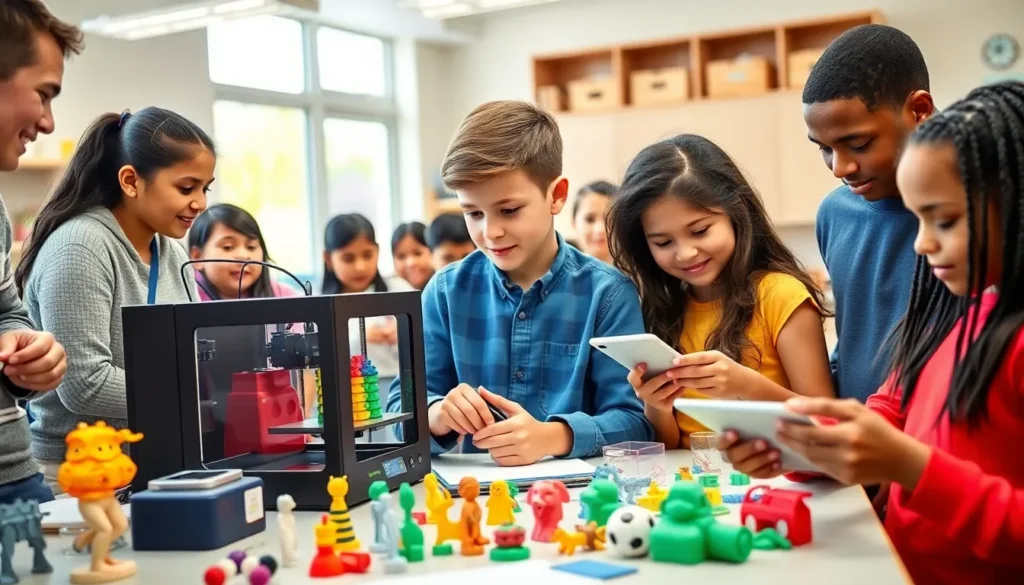
Collaboration stands at the forefront of 3D printing benefits. Group projects cultivate communication among students. Teamwork becomes essential as students work together to brainstorm ideas and create designs. Shared resources encourage problem-solving and accountability. Engaging in peer review sessions allows students to learn from one another. Diverse perspectives spark innovation, leading to unique creations. Building a sense of community within classrooms transforms student engagement, making learning interactive and enjoyable. Leveraging 3D technology promotes collaboration, creating a rich learning atmosphere.
Embracing 3D printing opens a world of possibilities for students. It encourages them to explore their creativity while developing essential skills in design and collaboration. By engaging with this technology students can transform abstract ideas into tangible creations that enhance their learning experiences.
The blend of fun and functionality in 3D printing projects not only makes learning enjoyable but also fosters a sense of ownership. As students create customized tools and innovative designs they build confidence in their abilities. This hands-on approach not only enriches their education but also prepares them for future challenges in an increasingly tech-driven world.