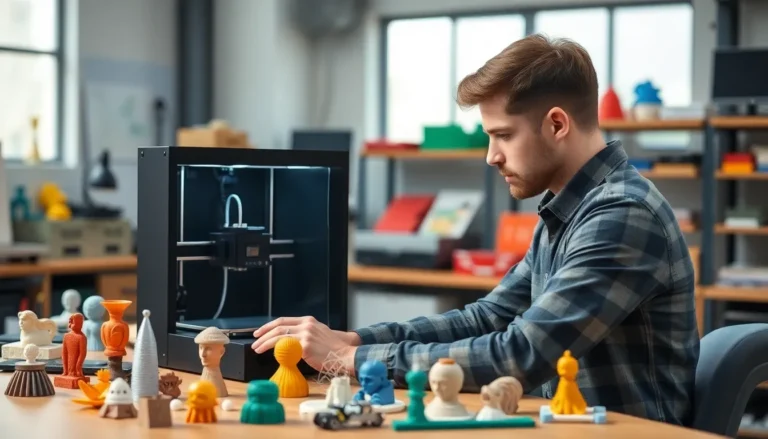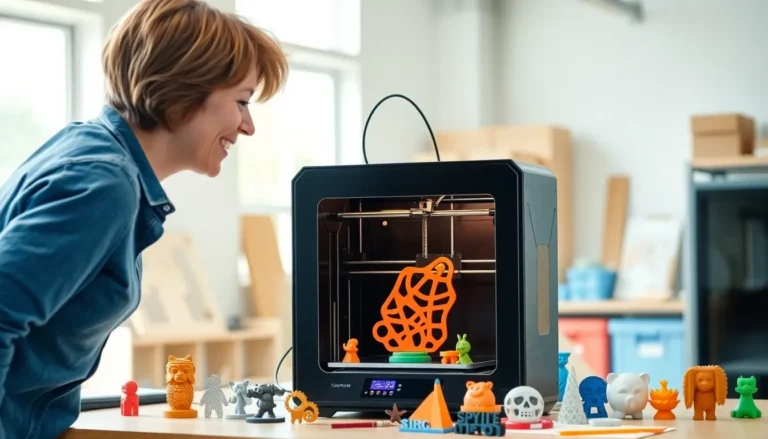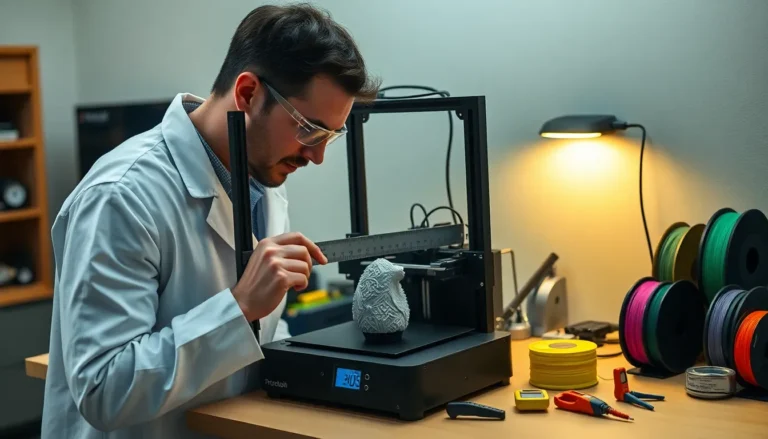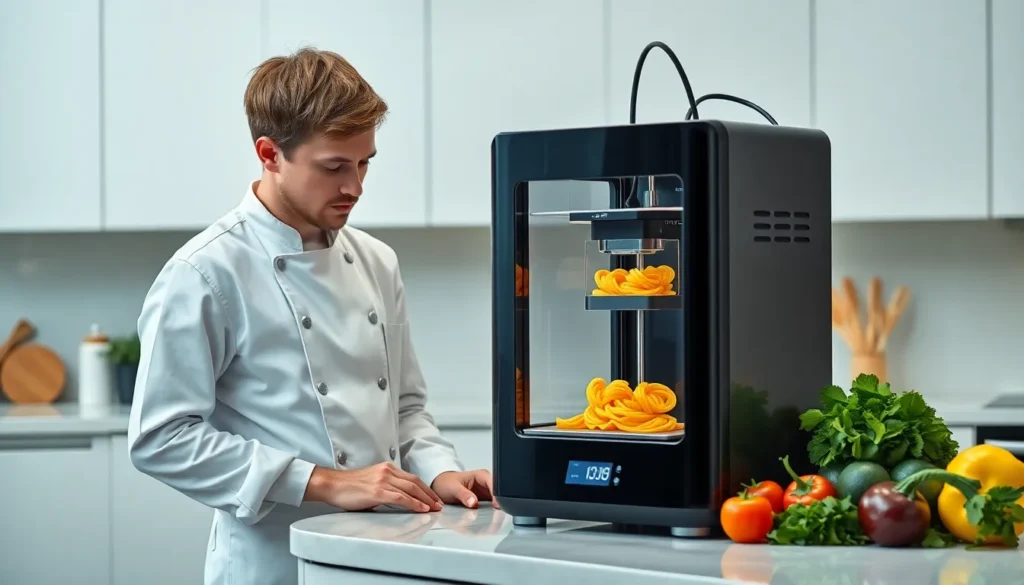
Imagine a world where you can design your dinner like a video game character—3D food printing makes that dream a reality. This innovative technology is flipping the culinary world upside down, allowing chefs and home cooks alike to create edible masterpieces with just a few clicks. Forget about boring meals; it’s time to serve up some creativity on a plate!
With 3D food printing, the kitchen transforms into a canvas, where flavors and textures come together in ways never seen before. From intricate pasta shapes to personalized chocolate designs, the possibilities are as endless as your imagination. So why settle for the same old recipes when you can print your way to a gourmet experience? Dive into the delicious future of dining and discover how this cutting-edge technology is reshaping the way we think about food.
Overview of 3D Food Printing
3D food printing represents a significant advancement in culinary technology. This method enables precise layering of ingredients, creating complex shapes and textures. Chefs utilize software to design customizable dishes that cater to individual preferences, enhancing personal dining experiences.
Many foods can be printed, including chocolate, pasta, and pureed vegetables. This versatility allows for the incorporation of diverse flavors in new ways. By controlling the composition, chefs adjust nutritional content to meet specific dietary requirements, which caters to health-conscious diners.
The technology employs various machines, each suited for specific types of food. Some printers use extrusion techniques that force ingredients through a nozzle, while others utilize powder bed methods that layer food particles. Interested individuals can explore options from different manufacturers to find the most suitable models for their kitchens.
Nutritional customization attracts more home cooks and agricultural businesses. With the ability to reduce food waste, 3D food printing creates unique opportunities in food sustainability. It promotes creativity and efficiency, encouraging culinary experimentation both in professional and home kitchens.
Recent developments in this field showcase innovations aimed at improving usability. Software platforms increasingly streamline the design process, allowing for faster creation and modification of recipes. As technology progresses, 3D food printing may redefine gastronomy and food preparation methods globally.
How 3D Food Printing Works
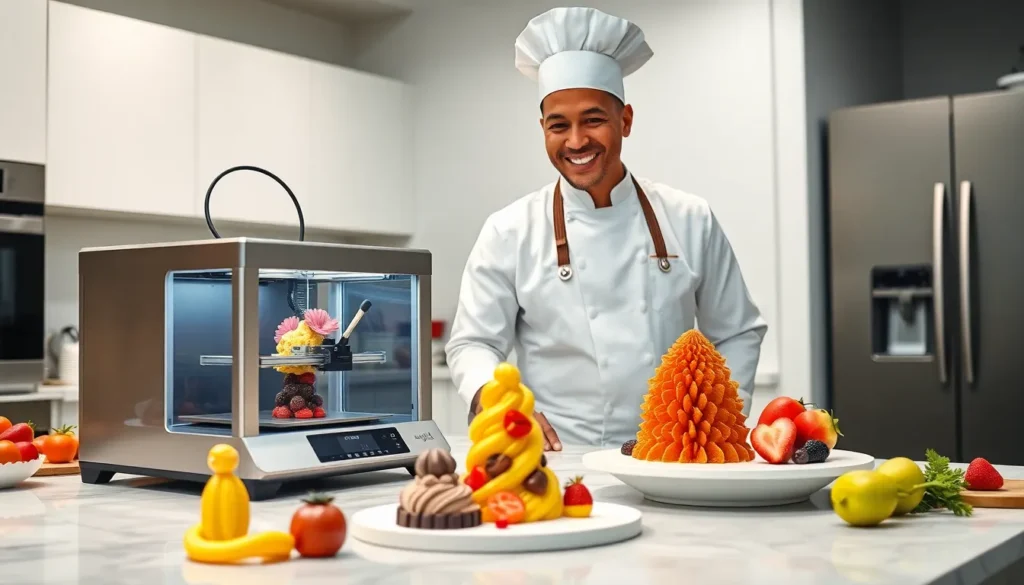
3D food printing leverages advanced technology to create intricate culinary designs. It layers edible materials precisely, producing detailed textures and shapes.
Technology Behind 3D Food Printing
This technology utilizes methods like extrusion and powder bed techniques. Each method operates differently, ensuring variety in food creation. Extrusion systems push material through a nozzle, forming layers as they dry. Powder bed printing involves layering powders, binding them with liquids. These systems often feature user-friendly software, simplifying the design process. Innovations in this field continue to enhance usability and expand creative possibilities.
Ingredients Used in 3D Food Printing
Various ingredients can be utilized in 3D food printing, allowing for wide-ranging culinary applications. Common materials include pureed fruits, vegetables, and doughs. Chocolate frequently emerges as a popular choice due to its moldability. Nut butters and cheese also work well, offering both flavor and texture options. Additionally, companies are developing specialized blends to meet specific dietary needs. Nutritional customization enhances personalization, catering to individual preferences and health requirements.
Benefits of 3D Food Printing
3D food printing introduces significant advantages for culinary innovation and sustainability in food production.
Customization and Personalization
Customization enhances dining experiences uniquely. Chefs design meals tailored to individual tastes, ensuring each dish reflects personal preferences. The technology enables intricate shapes and flavors not achievable through traditional cooking methods. People can adjust ingredients, focusing on textures and combinations that cater to dietary restrictions. Furthermore, the ability to create visually striking meals increases engagement during dining occasions. Custom solutions offer restaurants a competitive edge, attracting customers seeking unique culinary experiences.
Sustainability and Reducing Food Waste
Sustainability proves crucial in the context of 3D food printing. This technology allows for precise ingredient use, minimizing food waste during production. By utilizing only necessary amounts, chefs can adopt more responsible food practices. Additionally, food formulations can incorporate surplus ingredients, further reducing waste. Companies develop specialized blends from byproducts, providing nutritious alternatives while promoting sustainability. Emphasizing local sourcing of ingredients contributes to the overall commitment to environmentally friendly practices in the food industry.
Challenges in 3D Food Printing
3D food printing presents unique challenges that affect its widespread adoption. These challenges include technical limitations and consumer acceptance issues.
Technical Limitations
Technical limitations hinder the progress of 3D food printing. Equipment often faces constraints in speed and material compatibility. Some printers struggle with producing intricate details consistently, impacting design fidelity. Furthermore, the available edible materials don’t always meet user expectations for taste, texture, and nutritional content. Manufacturers continue developing new formulations, though achieving ideal viscosity remains challenging for many. A further concern includes the durability of printed products, as some items may not hold their shape during handling or cooking. Each innovation in technology brings improvements, but overcoming these limitations requires ongoing research and development efforts.
Consumer Acceptance
Consumer acceptance poses another challenge for 3D food printing. Many individuals remain unfamiliar with this technology and its capabilities. Some consumers associate 3D printed foods with processed items, creating skepticism about quality and safety. Furthermore, the aesthetics of printed dishes might not appeal to everyone, as traditional presentations often prevail in dining culture. Chefs and manufacturers must prioritize education and transparency to build trust among potential users. Engaging marketing campaigns can showcase successful culinary experiences, helping shift perceptions toward acceptance. Ultimately, fostering consumer interest will play a crucial role in the future success of 3D food printing within the culinary landscape.
Future Trends in 3D Food Printing
Advancements in 3D food printing are shaping the future of culinary experiences. Increased integration of artificial intelligence in design software supports more sophisticated creation processes. Customization options are expanding, allowing consumers to tailor meals to specific dietary needs, preferences, and taste profiles.
The sustainability aspect continues to gain traction. Companies are now investing in bio-based materials that reduce environmental impact while enhancing food safety. Menu innovations are anticipated as chefs explore new flavor combinations and ingredient pairings, pushing the boundaries of traditional gastronomy.
Training and education programs are becoming more accessible. Institutions are beginning to offer courses on 3D food printing techniques, equipping chefs and food enthusiasts with the skills needed to navigate this emerging technology. Formal partnerships between technology firms and culinary schools also promote collaboration, fostering a skilled workforce.
Consumer acceptance is expected to rise as awareness grows. Engaging marketing strategies that highlight the benefits of 3D printed food could shift perceptions and encourage experimentation. Transparency in production processes strengthens trust, ensuring consumers feel confident in trying innovative culinary creations.
Market projections suggest a significant increase in the adoption of 3D food printing in commercial kitchens. Restaurants are likely to leverage this technology for unique presentations, enhancing the overall dining experience. Smaller players, including home cooks, are also poised to embrace these innovations, unlocking new possibilities in home meal preparation.
Future developments in food printing technologies will continue to focus on enhancing versatility. The combination of diverse materials could lead to exciting advancements in flavors, textures, and nutritional profiles.
3D food printing stands at the forefront of culinary innovation. It offers chefs and home cooks an exciting way to explore creativity in the kitchen. With its ability to customize dishes and enhance sustainability, this technology is reshaping how people approach food preparation and dining experiences.
As advancements continue to emerge, the potential for 3D food printing is vast. Embracing this technology could lead to a future where personalized meals become the norm. The journey toward acceptance and integration into everyday cooking is just beginning, and the culinary landscape is poised for transformation.